

…ment Journal, 3: Frag…ment (On Authorship) (2012)
Filed under magazine | Tags: · authorship, collective art, intellectual property, knowledge production, technology
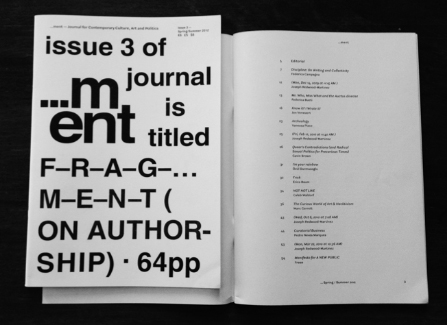
“Issue 3 of …ment investigates the current debates and practices surrounding the concept of authorship and the possible modes of resistance attached to it. Looking at broad topics such as intellectual property, collectivity, knowledge production and technology, this issue is concerned with the re-articulation of such themes in a transforming political landscape. What is an author and how do we understand authorship and its politics?”
Contributors: Erica Baum, Gavin Brown, Federica Bueti, Federico Campagna, Övül Dormusoglu, Freee, Marc Garrett,Pedro Neves-Marques, Joseph Redwood-Martinez, Vanessa Place, Jan Verwoert, Caleb Waldorf.
…ment: Journal for Contemporary Culture, Art and Politics, Issue 3 – Spring/Summer 2012
Editor-in-chief: Federica Bueti
Editors: Benoit Loiseau, Clara Meister
64 pages
launch of the issue (3 May 2012, London)
HTML (updated on 2020-10-19)
PDF (added on 2020-10-19)
LEF, 1-7 (1923-25), & Novyi LEF, 1-24 (1927-29) [Russian, English]
Filed under magazine | Tags: · 1920s, art, art criticism, art theory, avant-garde, constructivism, factography, film, film theory, futurism, left, literature, poetry, productivism, revolution, russia, soviet union

LEF (“ЛЕФ”) was the journal of the Left Front of the Arts (“Левый фронт искусств” – “Levy Front Iskusstv”), a widely ranging association of avant-garde writers, photographers, critics and designers in the Soviet Union. It had two runs, one from 1923 to 1925 as LEF, and later from 1927 to 1929 as Novyi LEF (‘New LEF’). The journal’s objective, as set out in one of its first issues, was to “re-examine the ideology and practices of so-called leftist art, and to abandon individualism to increase art’s value for developing communism.”
Although LEF was catholic in its choices of writers, it broadly reflected the concerns of the Productivist left-wing of Constructivism. The editors were Osip Brik and Vladimir Mayakovsky: fittingly, one a Russian Formalist critic and one a poet and designer who helped compose the 1912 manifesto of Russian Futurists entitled, “A Slap in the Face of Public Taste”. The covers were designed by Alexander Rodchenko, and featured photomontages early on, being followed by photographs in New LEF. Among the writings published in LEF for the first time were Mayakovsky’s long poem About This, and Sergei Eisenstein’s The Montage of Attractions, as well as more political and journalistic works like Isaac Babel’s Red Cavalry. The journal had funding from the state, and was discussed critically, but not unsympathetically by Leon Trotsky in Literature and Revolution (1924).
The later New LEF (“Новый ЛЕФ” – “Novyi Lef”), which was edited by Mayakovsky along with the playwright, screenplay writer and photographer Sergei Tretyakov, tried to popularise the idea of ‘Factography’: the idea that new technologies such as photography and film should be utilised by the working class for the production of ‘factographic’ works. In this it had a great deal of influence on theorists in the West, especially Walter Benjamin and Bertolt Brecht. Linked journals also appeared such as the Constructivist architectural journal SA (edited by Moisei Ginzburg and Alexander Vesnin) and Proletarskoe Foto, on photography. The New LEF closed in 1929 over a dispute over its direction between Mayakovsky and Tretyakov, and under pressure for its ‘Formalism’, which jarred with the incipient Socialist Realism. (from Wikipedia)
LEF, 1-7 (ZIP; updated on 2012-7-19)
Novyi LEF, 1-24 (ZIP; updated on 2012-7-19)
All issues in PDF (added on 2015-7-21)
All issues in HTML (added on 2015-8-11)
English translations of selected essays (trans., ed. & intro. Richard Sherwood (LEF) and Ben Brewster (Novy LEF), Screen 12(4), Winter 1971-72; added on 2015-7-21)
Adbusters, 90-99 (2010-2012)
Filed under magazine | Tags: · activism, advertising, culture jamming, ecology, graphic design, mass media, occupy movement, politics, protest, visual culture
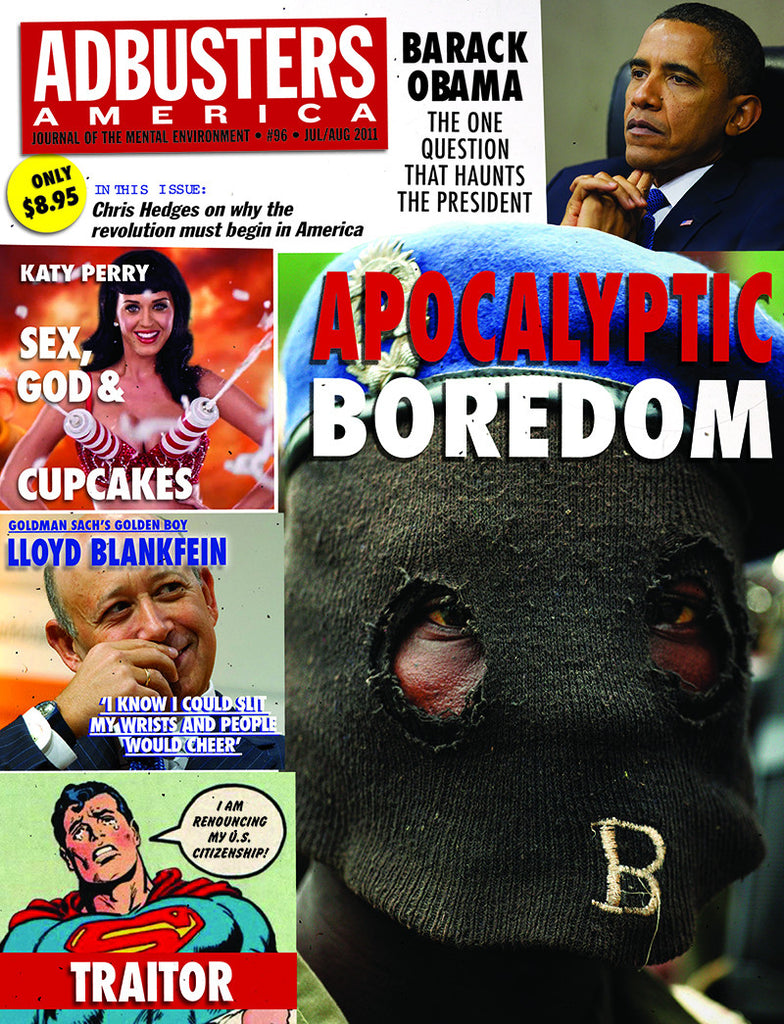
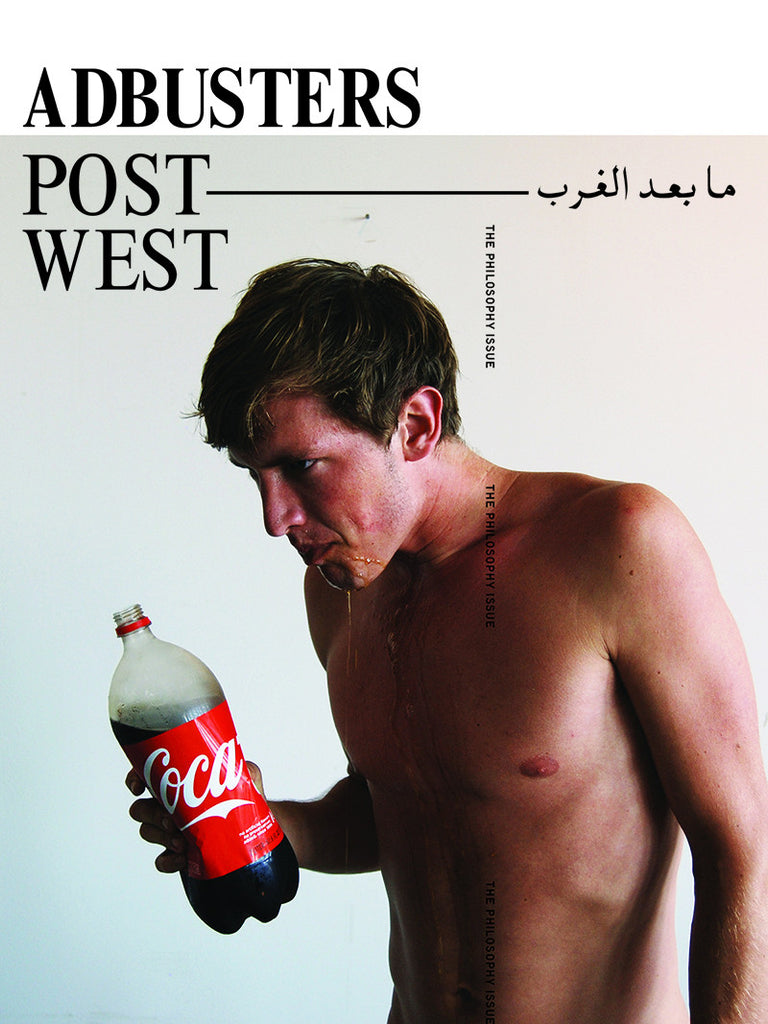
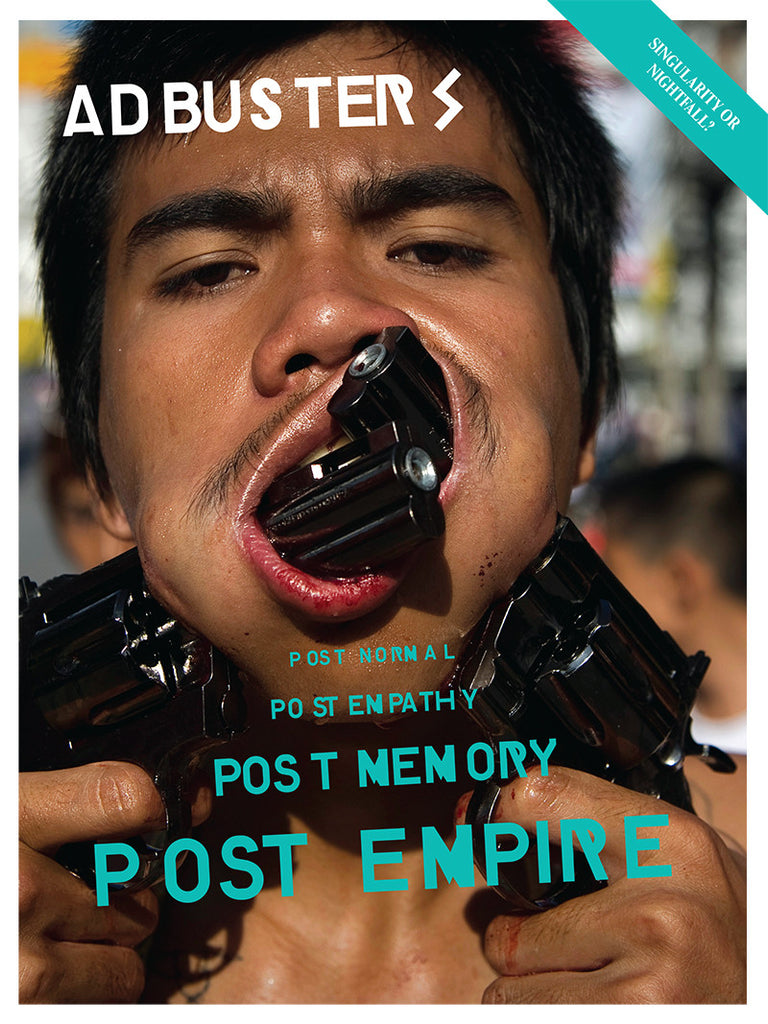
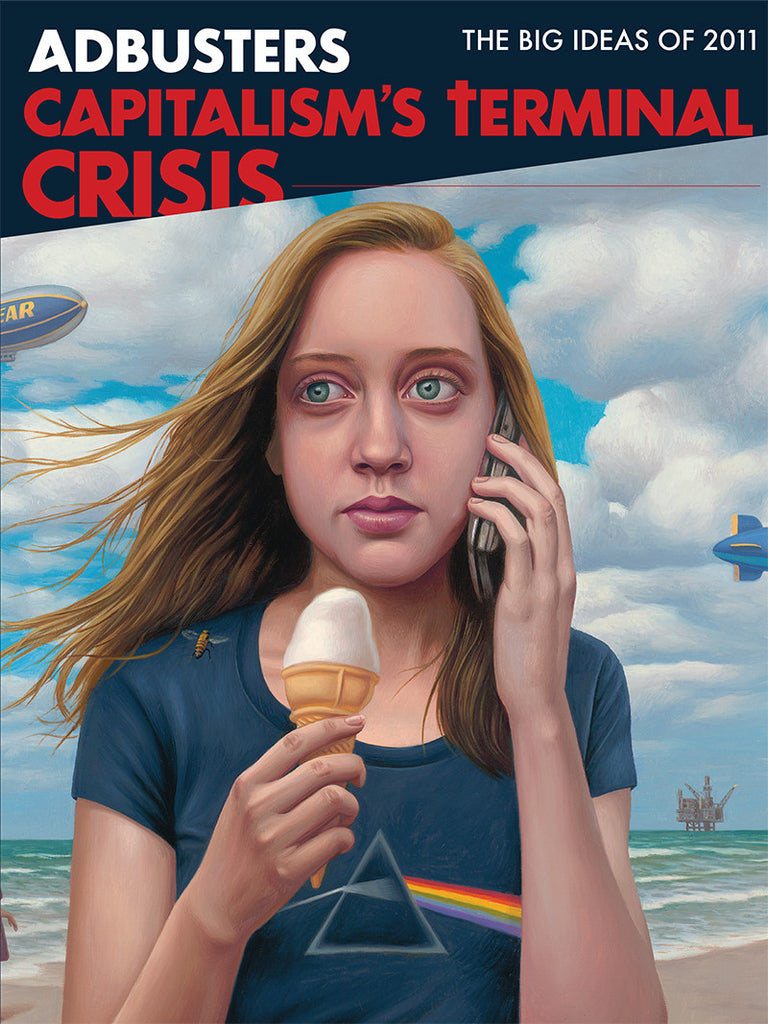
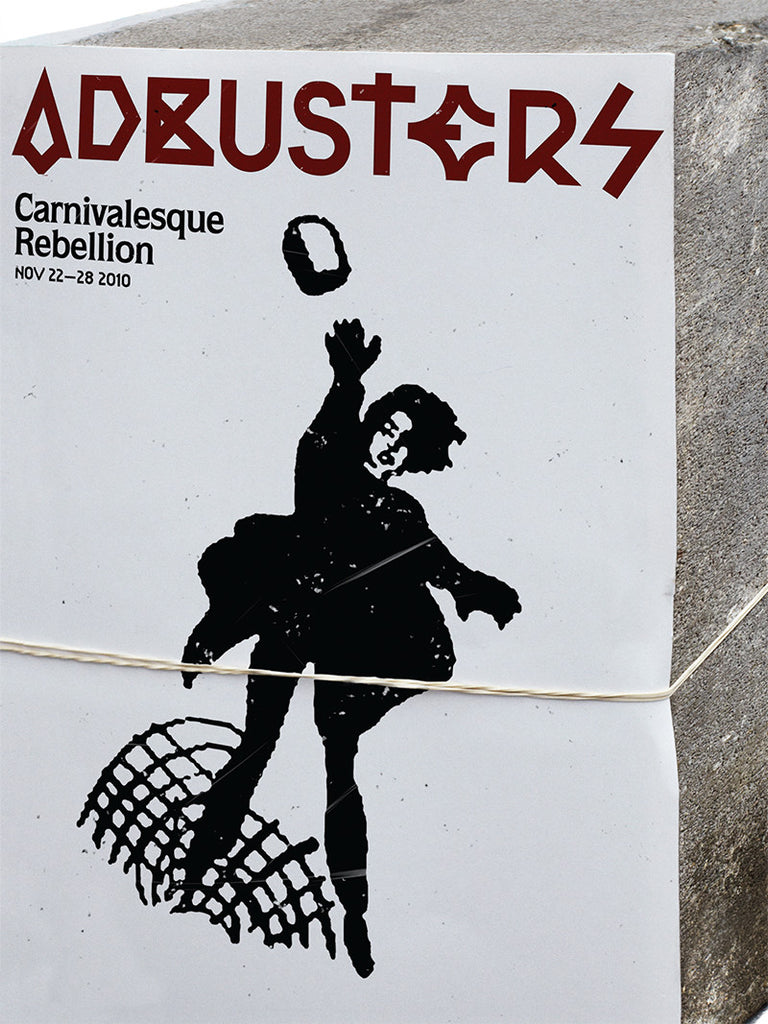
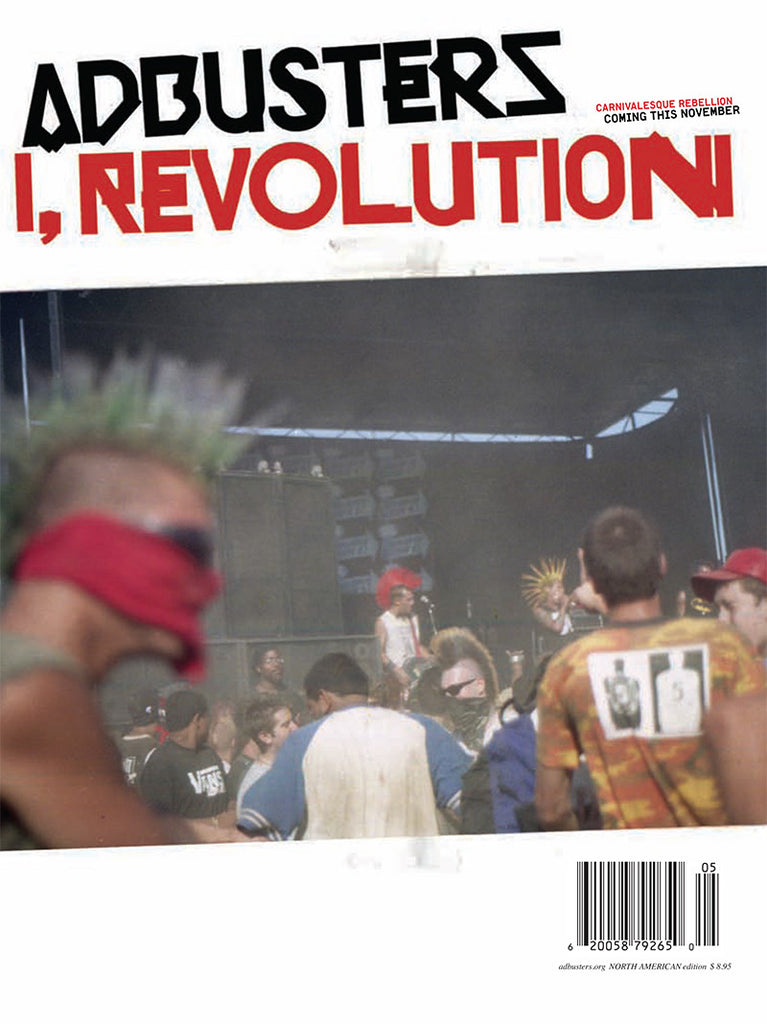
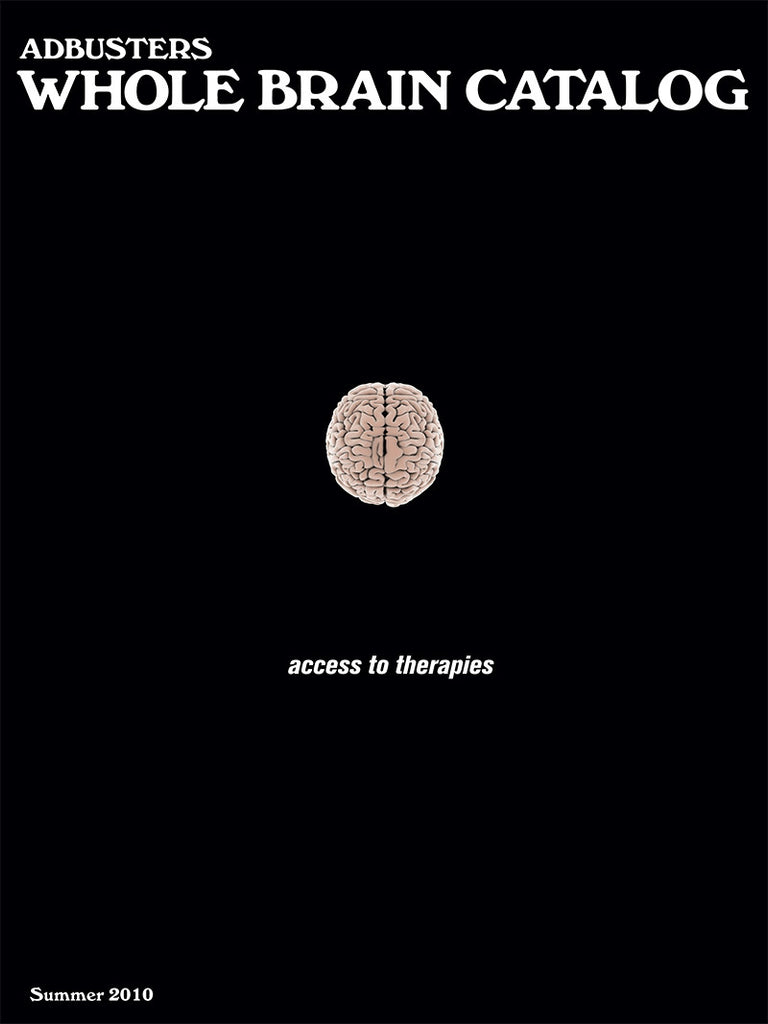
“Based in Vancouver, British Columbia, Canada, Adbusters is a not-for-profit, reader-supported, 120,000-circulation magazine concerned about the erosion of physical and cultural environments by commercial forces. Our work has been embraced by organizations like Friends of the Earth and Greenpeace, has been featured in hundreds of alternative and mainstream newspapers, magazines, and television and radio shows around the world.
Adbusters offers incisive philosophical articles as well as activist commentary from around the world addressing issues ranging from genetically modified foods to media concentration. In addition, our annual social marketing campaigns like Buy Nothing Day and Digital Detox Week have made us an important activist networking group.
Ultimately, though, Adbusters is an ecological magazine, dedicated to examining the relationship between human beings and their physical and mental environment. We want a world in which the economy and ecology resonate in balance. We try to coax people from spectator to participant in this quest. We want folks to get mad about corporate disinformation, injustices in the global economy, and any industry that pollutes our physical or mental commons.” (source)
Publisher Adbusters, Vancouver, British Columbia, Canada
ISSN: 0847-9097
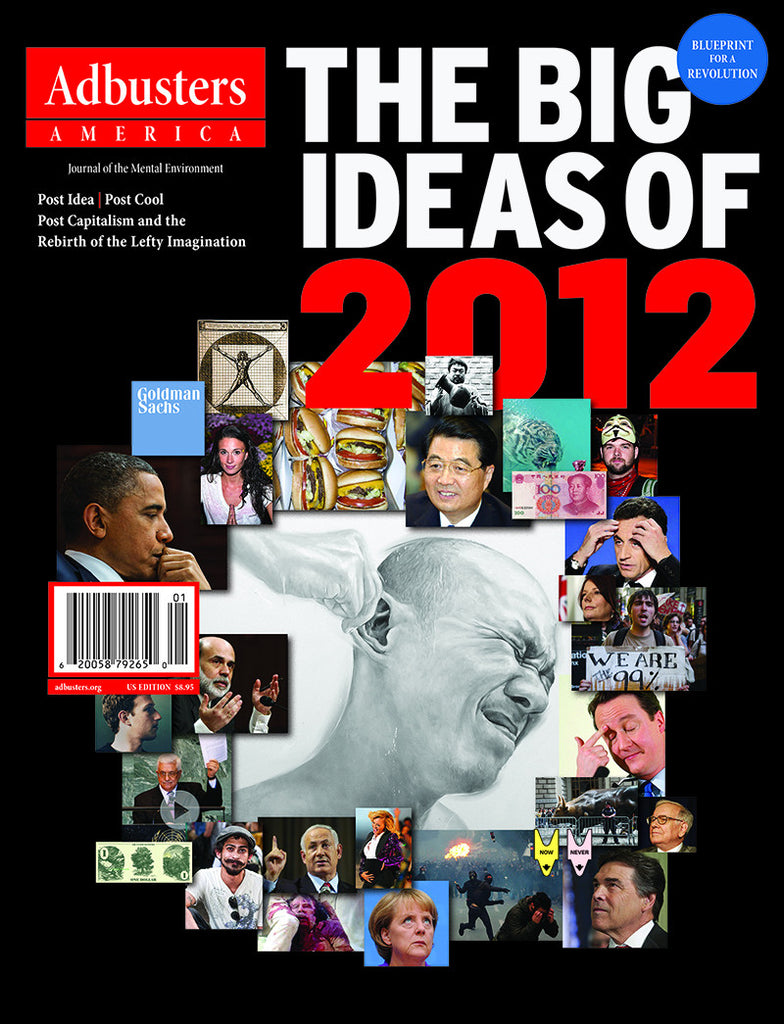
PDF No 99: The Big Ideas of 2012
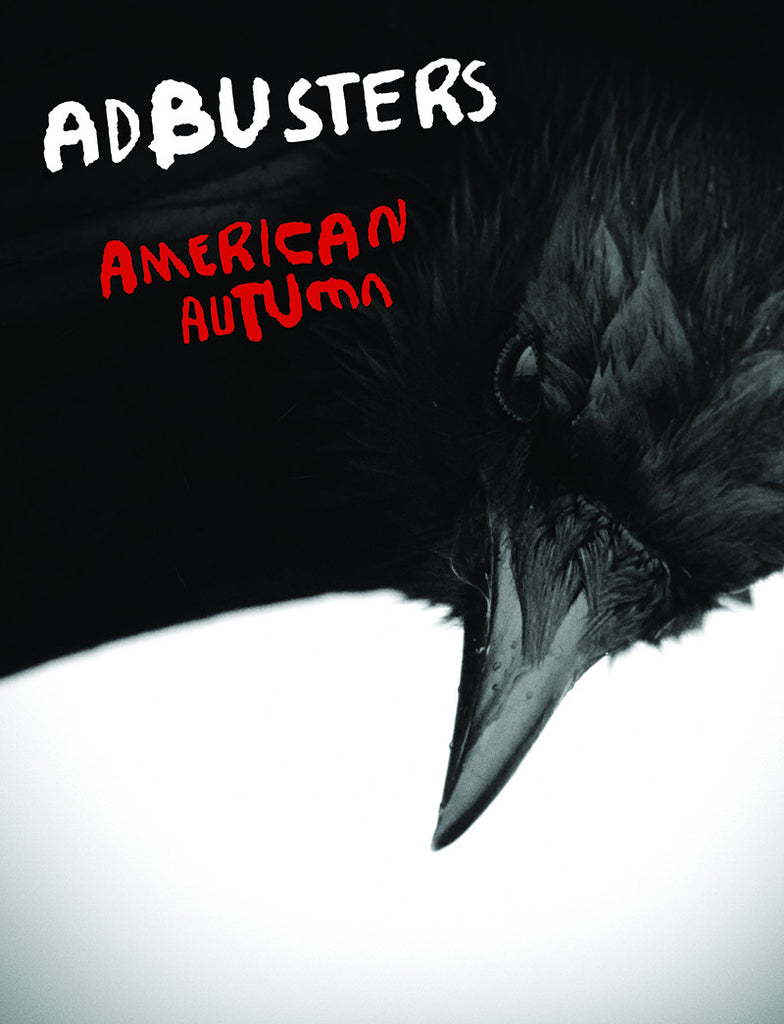
PDF No 98: American Autumn
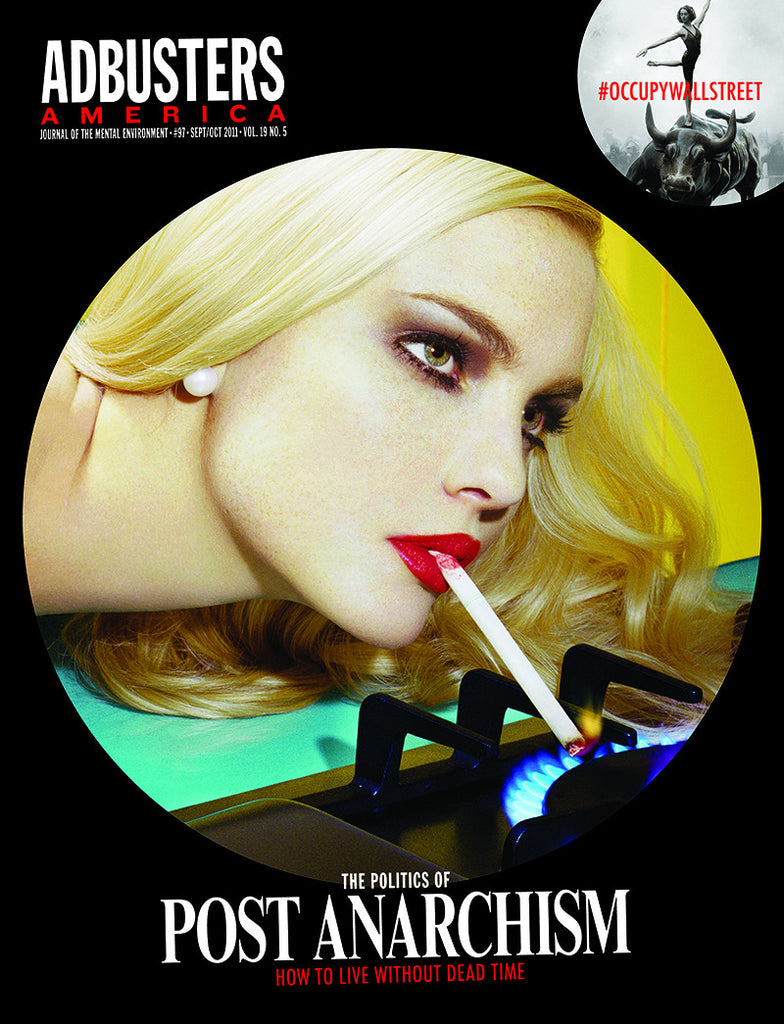
PDF No 97: Post Anarchism – #OCCUPYWALLSTREET
PDF No 96: Apocalyptic Boredom
PDF No 95: Post West
PDF No 94: Post Normal
PDF No 93: Capitalism’s Terminal Crisis
PDF No 92: The Carnivalesque Rebellion Issue
PDF No 91: I, Revolution
PDF No 90: Whole Brain Catalog