

Zenit, International Review of Arts and Culture, No. 1-43 (1921-26) [SH/FR/DE/RU]
Filed under magazine | Tags: · art, avant-garde, collage, constructivism, croatia, dada, expressionism, futurism, painting, serbia
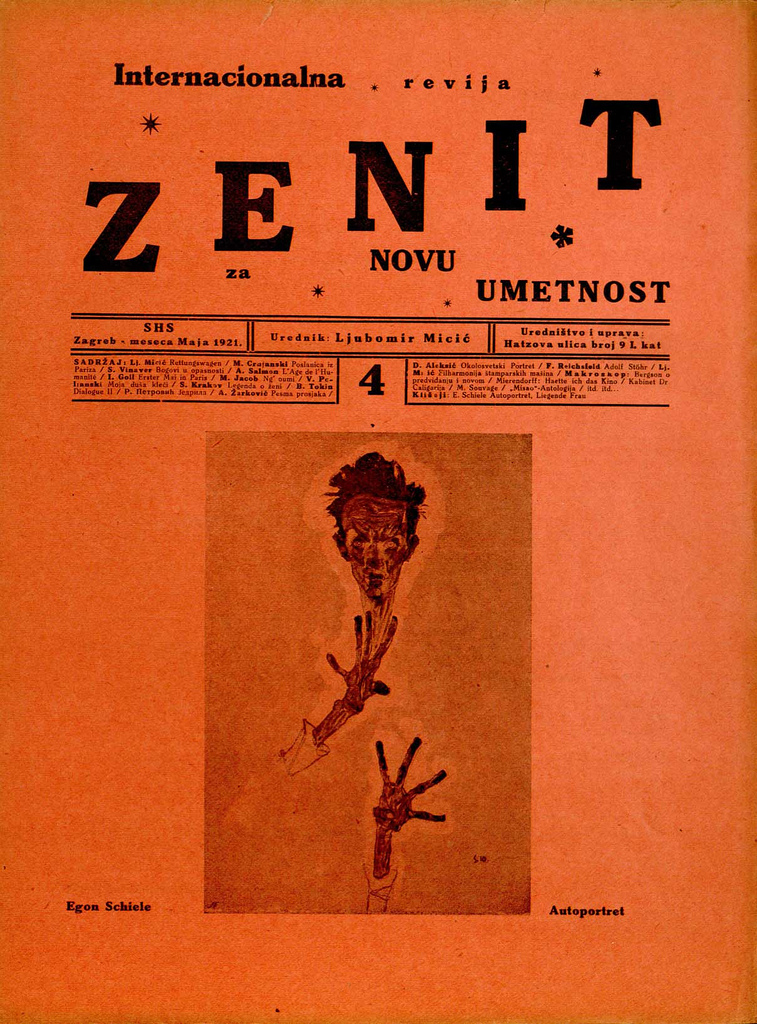
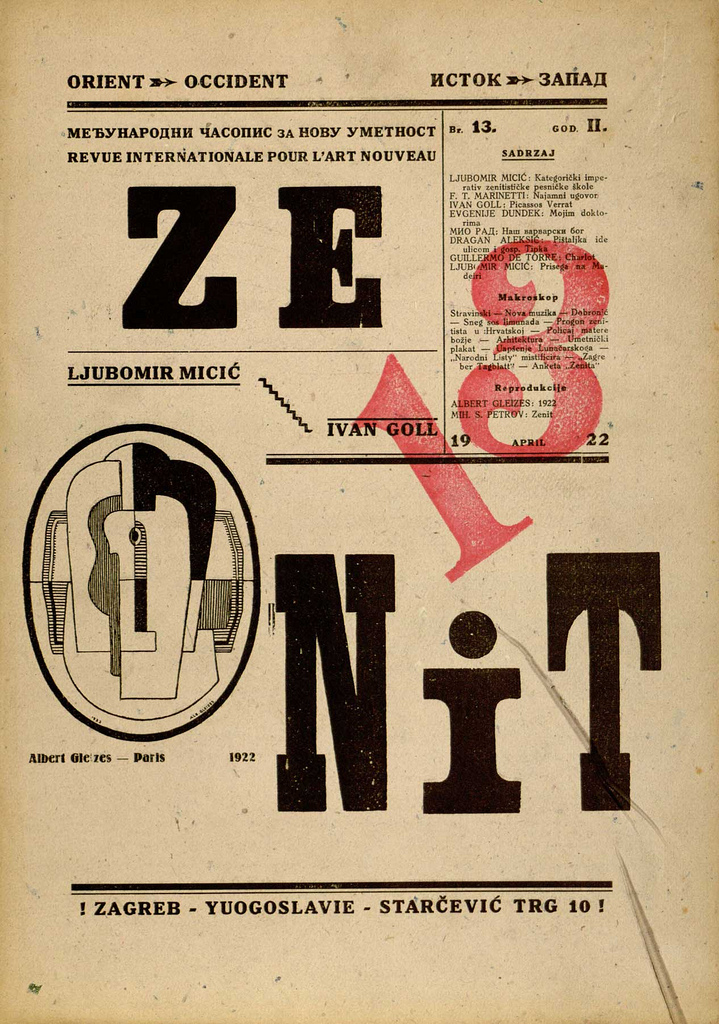
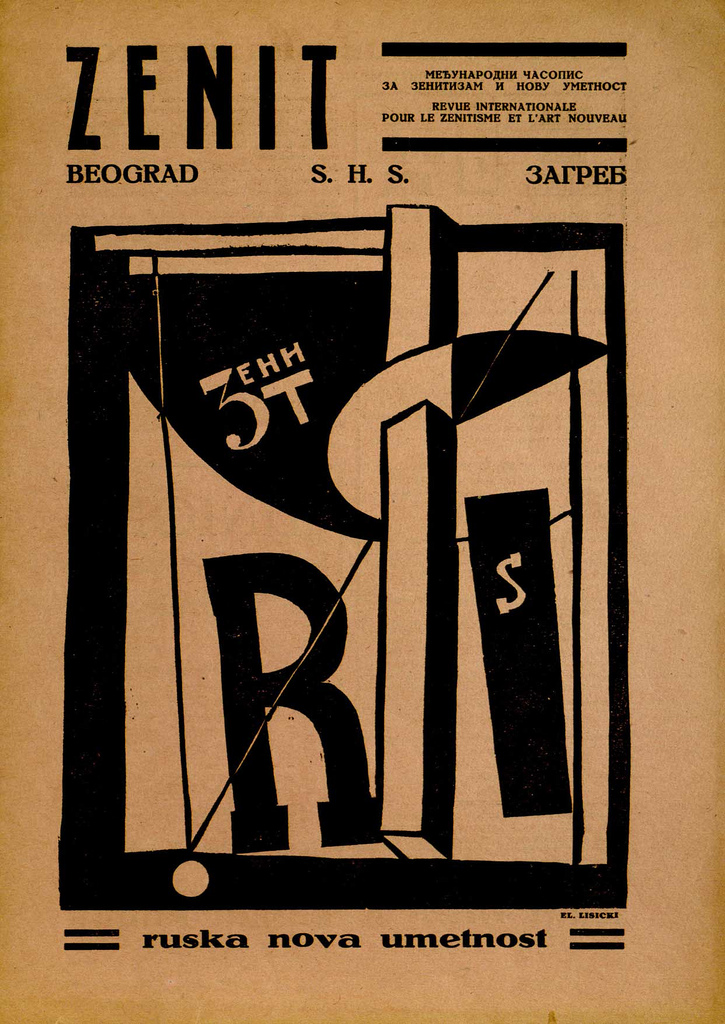
Zenit, International Review of Arts and Culture, enjoyed a reputation as the only Yugoslav avant-garde journal, which was part of the international avant-garde scene at the beginning of the 1920s. Its founder, editor and the chief ideologist of the Zenit programme Ljubomir Micić, poet and art critic, intended to introduce social and artistic principles of avant-garde to Croatia and Serbia, particularly constructivism, futurism and Dada.
It was launched in February 1921 and published monthly in Zagreb (1921-23) and Belgrade (1923-26) until December 1926, when it was banned by the authorities. A total of 43 issues were published (including special number dedicated to young Czech artists, and No. 17-18 to the new Russian Art, edited by Ilya Ehrenburg and El Lissitzky), as well as one poster, “Zenitismus”, and one issue of a daily Zenit newspaper dated 23 September 1922.
The magazine brought together a number of collaborators: Marijan Mikac, Jo Klek (Josip Seissel), Vilko Gecan, Mihailo Petrov, Boško Tokin, Stanislav Vinaver, Rastko Petrovic, Branko Ve Poljanski (Branko Micić), Dragan Aleksic, Milos Crnjanski, Dusan Matic and others. Other collaborators and contributors included the French poet Ivan Goll, Alexander Archipenko, Ilya Ehrenburg, Wassily Kandinsky, El Lissitzky, Louis Lozowick, Alexander Blok, Jaroslav Seifert. The visual contributions by Jo Klek and Mihailo Petrov epitomized Zenitist art and painting.
PDF (single issues, PDF)
PDF (all issues, ZIP, 148 MB)
Kurt Schwitters: Auguste Bolte (1923–) [DE, PT]
Filed under fiction | Tags: · dada
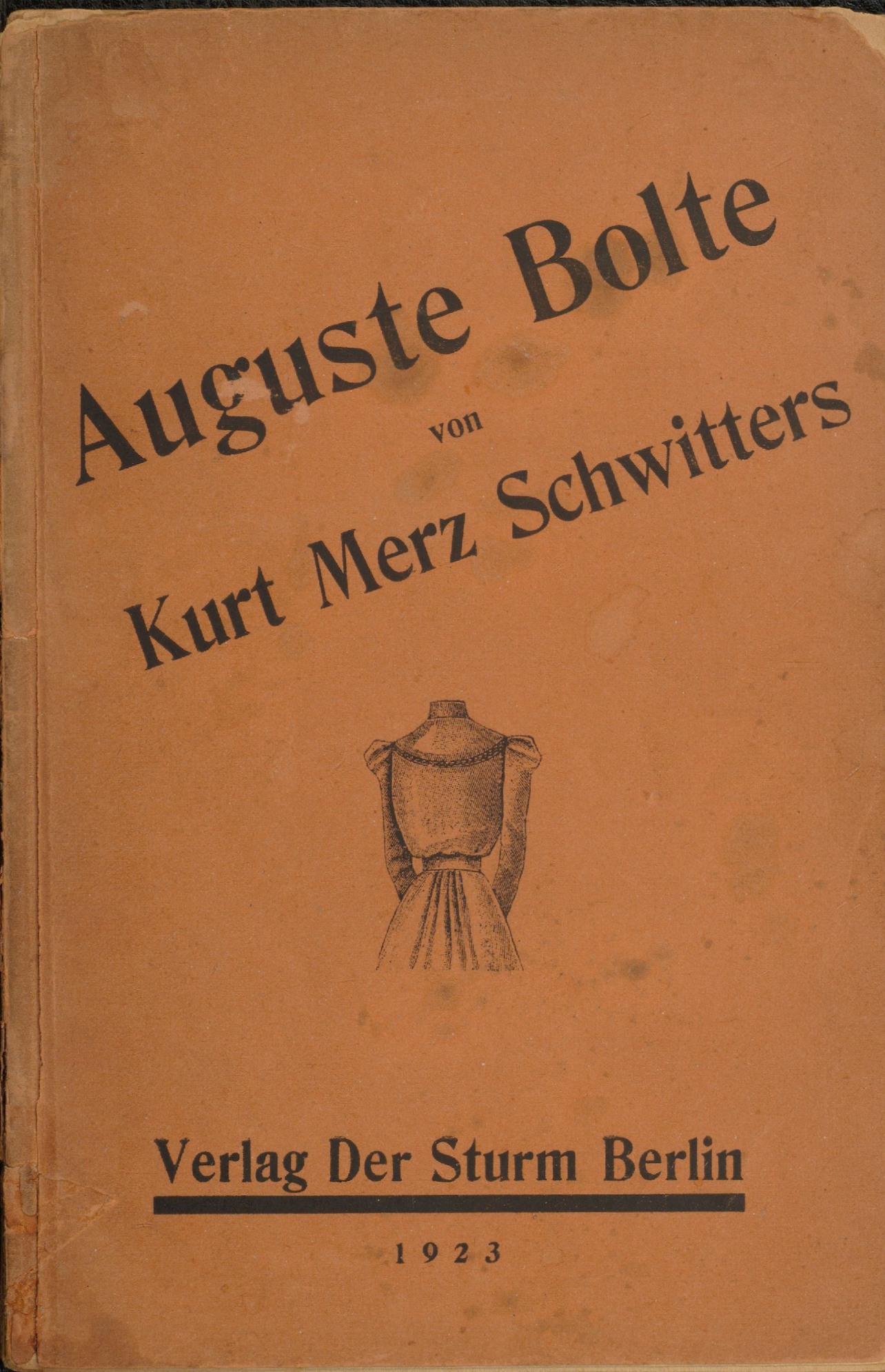
Publisher Der Sturm, Berlin, 1923
46 pages
via Kunsthaus Zurich
Auguste Bolte (German, 1923, 71 MB, added on 2020-9-5)
Augusta Pia: um xarope de fígado de bacalhau (Portuguese, trans. Judite Berkemeier, 1989)
Francesco Careri: Walkscapes: El andar como práctica estética / Walking as an Aesthetic Practice (2002) [Spanish/English]
Filed under book | Tags: · aesthetics, art history, city, dada, land art, landscape, lettrism, minimal art, nomadism, situationists
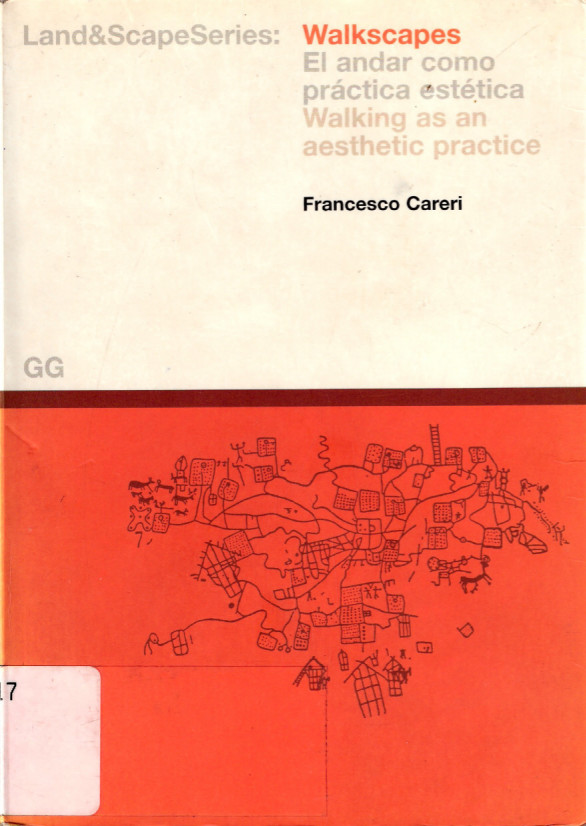
Walkscapes deals with strolling as an architecture of landscape. Walking as an autonomous form of art, a primary act in the symbolic transformation of the territory, an aesthetic instrument of knowledge and a physical transformation of the “negotiated” space, which is converted into an urban intervention. From primitive nomadism to Dada and Surrealism, from the Lettrist to the Situationist International, and from Minimalism to Land Art, this book narrates the perception of landscape through a history of the traversed city.
With an Introduction by Gilles Tiberghien
English translation: Steve Piccolo, Paul Hammond
Publisher Editorial Gustavo Gili, Barcelona, 2002
Land&Scape series
ISBN 8425218411
205 pages
PDF (removed on 2017-4-1 upon request of the publisher)
Comment (0)