
Charlotte Johannesson. Take Me to Another World (2021) [EN, ES]
Filed under book, catalogue | Tags: · art, computer graphics, computing, counterculture, textile
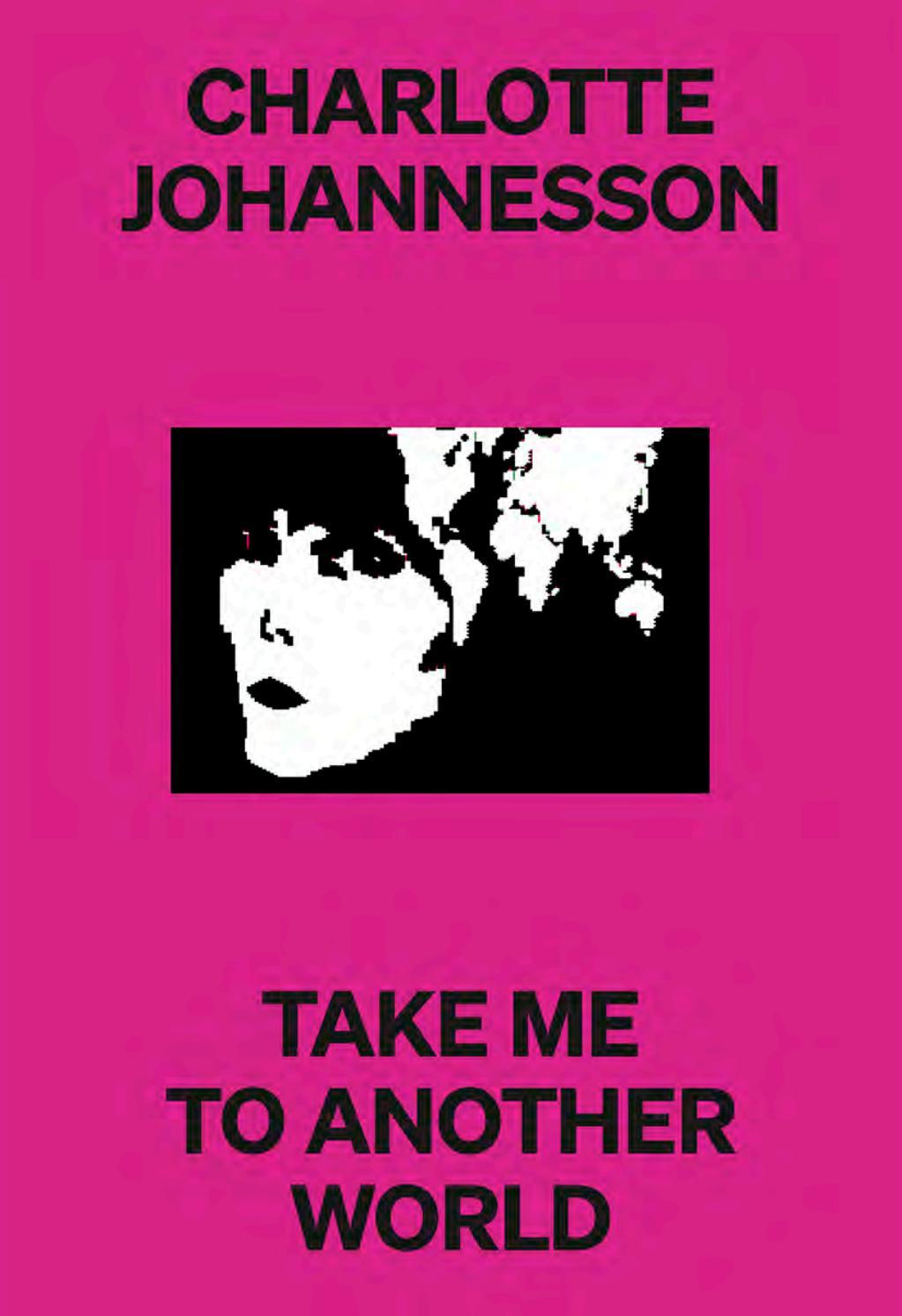
“A key figure of Swedish counterculture and the creator of the first digital arts laboratory in Nordic countries, Charlotte Johannesson has worked primarily with two tools: the artisan technology of the loom and digital IT programming technology, exploring and throwing into relief the connections, both conceptual and methodological, that exist between the two.
Charlotte Johannesson. Take Me to Another World renders an account of the meticulous research process around colour and line that the artist executes in her textile and digital practice. It also spotlights the contribution of Danish writer and artist Amalie Smith, who set up a dialogue between Johannesson’s career and her own present-tense narrative. Furthermore, the publication incorporates an interview conducted with the artist in 2012, re-edited and translated for this occasion.”
Publisher Museo Reina Sofía, Madrid, 2021
Creative Commons BY-NC-ND 4.0 License
ISBN 9788480266246, 8480266244
172 pages
PDF, PDF (English)
PDF, PDF (Spanish)
Inke Arns, Marie Lechner (eds.): Computer Grrrls (2021) [German/English]
Filed under catalogue | Tags: · algorithm, artificial intelligence, big data, cyberfeminism, hacking, internet, technofeminism, technology, women
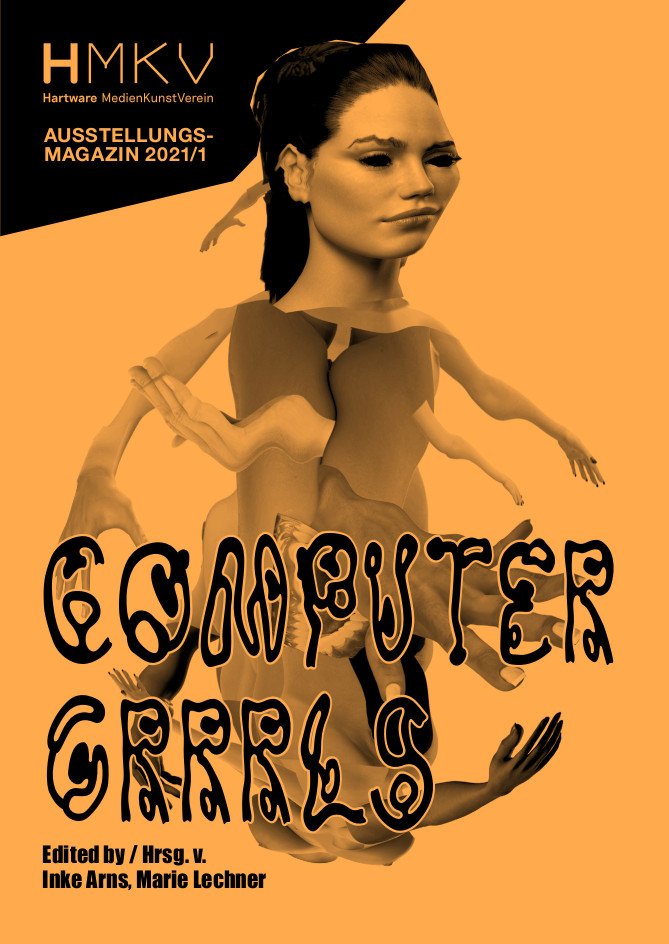
“Computer Grrrls brings together 23 international artistic positions that negotiate the complex relationship between gender and technology in past and present. The book deals with the link between women and technology from the first human computers to the current revival of technofeminist movements. An illustrated timeline with over 200 entries covers these developments from the 18th century to the present day.
The publication presents artists, hackers, makers and researchers who are working on how to think differently about technology: by questioning the gender bias in big data and artificial intelligence, promoting an open and diversified Internet, and designing utopian technologies.
The perspectives presented here address a broad range of topics: electronic colonialism, the place of minorities on the Internet, the sexist bias of algorithms, the dangerous dominance of white men in the development of artificial intelligence and digital surveillance, but also ideas on how we can change our traditional ways of thinking.
Artists included: Morehshin Allahyari, Manetta Berends, Zach Blas & Jemima Wyman, Nadja Buttendorf, Elisabeth Caravella, Jennifer Chan, Aleksandra Domanović, Louise Drulhe, Elisa Giardina Papa, Darsha Hewitt, Lauren Huret, Hyphen-Labs, Dasha Ilina, Roberte la Rousse, Mary Maggic, Caroline Martel, Lauren Moffatt, Simone C. Niquille, Jenny Odell, Tabita Rezaire, Erica Scourti, Suzanne Treister, Lu Yang.”
Publisher Kettler, Dortmund, and HMKV, Dortmund, May 2021
Open access
ISSN 2629-2629
ISBN 9783862069071
191 pages
HT coco
Publisher
Publisher
Exhibition (HMKV, 2018-2019)
PDF (59 MB)
Comment (0)Margit Rosen, et al. (eds.): A Little-Known Story About a Movement, a Magazine, and The Computer’s Arrival in Art: New Tendencies and Bit International, 1961-1973 (2011)
Filed under book, catalogue | Tags: · 1960s, 1970s, art and science, art history, artistic research, computer art, computing, conceptual art, concrete art, constructivism, cybernetics, design, kinetic art, media art, new tendencies, op art, yugoslavia
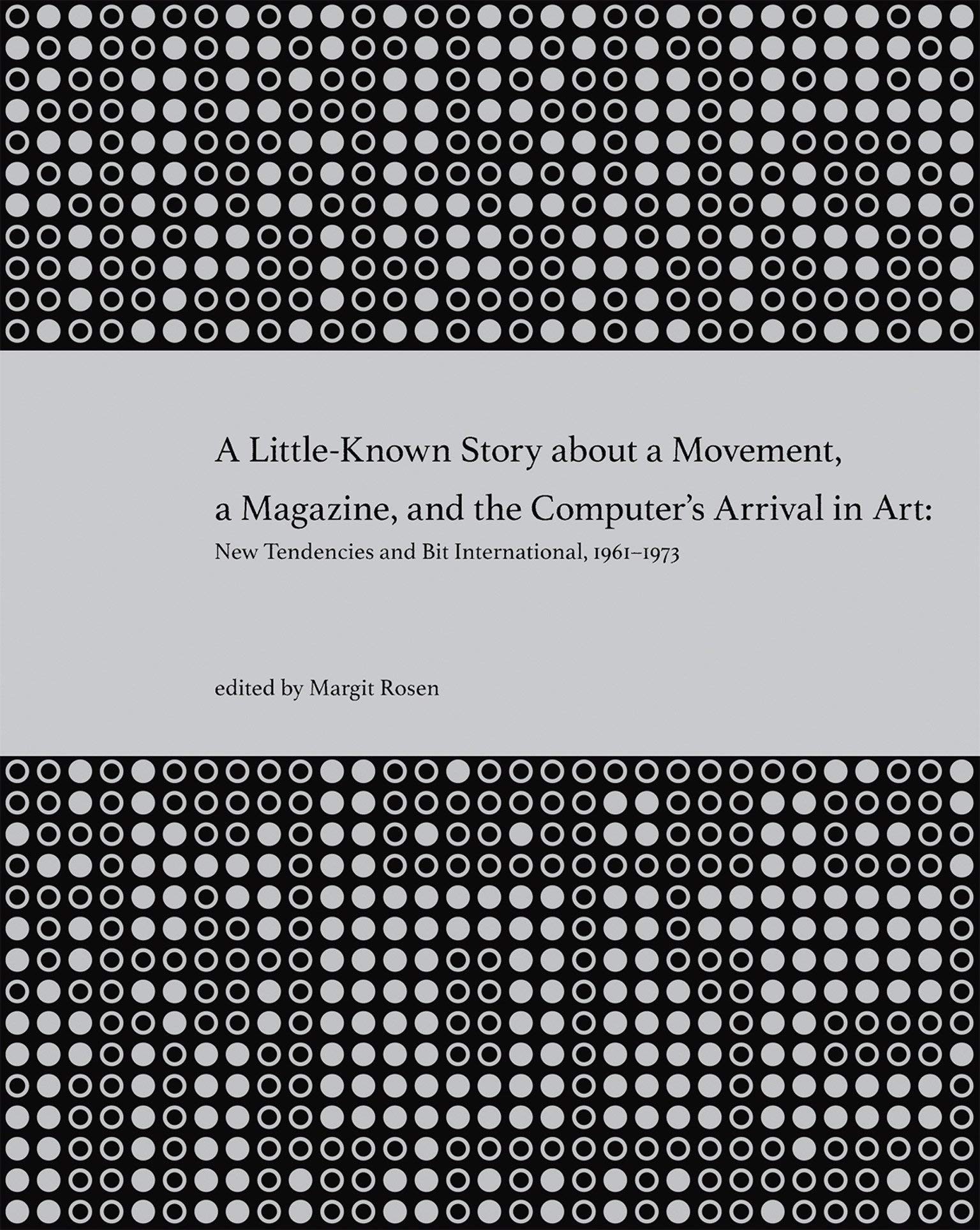
“When Zagreb was the epicenter of explorations into the aesthetic potential of the new “thinking machines.”
This book documents a short but intense artistic experiment that took place in Yugoslavia in the 1960s and 1970s but has been influential far beyond that time and place: the “little-known story” of the advent of computers in art. It was through the activities of the New Tendencies movement, begun in Zagreb in 1961, and its supporting institution the Galerija suvremene umjetnosti that the “thinking machine” was adopted as an artistic tool and medium. Pursuing the idea of “art as visual research,” the New Tendencies movement proceeded along a path that led from Concrete and Constructivist art, Op art, and Kinetic art to computer-generated graphics, film, and sculpture.
With their exhibitions and conferences and the 1968 launch of the multilingual, groundbreaking magazine Bit International, the New Tendencies transformed Zagreb—already one of the most vibrant artistic centers in Yugoslavia—into an international meeting place where artists, engineers, and scientists from both sides of the Iron Curtain gathered around the then-new technology. For a brief moment in time, Zagreb was the epicenter of explorations of the aesthetic, scientific, and political potential of the computer.
This volume documents that exhilarating period. It includes new essays by Jerko Denegri, Darko Fritz, Margit Rosen, and Peter Weibel; many texts that were first published in New Tendencies exhibition catalogs and Bit International magazine; and historic documents. More than 650 black-and-white and color illustrations testify to the astonishing diversity of the exhibited artworks and introduce the movement’s protagonists. Many of the historic photographs, translations, and documents are published here for the first time. Taken together, the images and texts offer the long overdue history of the New Tendencies experiment and its impact on the art of the twentieth century.”
Edited by Margit Rosen in collaboration with Peter Weibel, Darko Fritz, and Marija Gattin
Publisher ZKM Center for Art and Media, Karlsruhe, and MIT Press, Cambridge, MA, 2011
ISBN 9780262515818, 0262515814
576 pages
Reviews: Brian Reffin Smith (Leonardo, 2012), Joanna Inglot (Slavic Review, 2012), Greg Borman (ARLIS/NA, 2011).
Book website
Exhibition (ZKM, 2008)
Publisher
Publisher
WorldCat
PDF (102 MB)
See also New Tendencies and Bit International on Monoskop wiki.
Comment (1)